Security Assessment Hamilton: Professional Home & Business Vulnerability Analysis Services
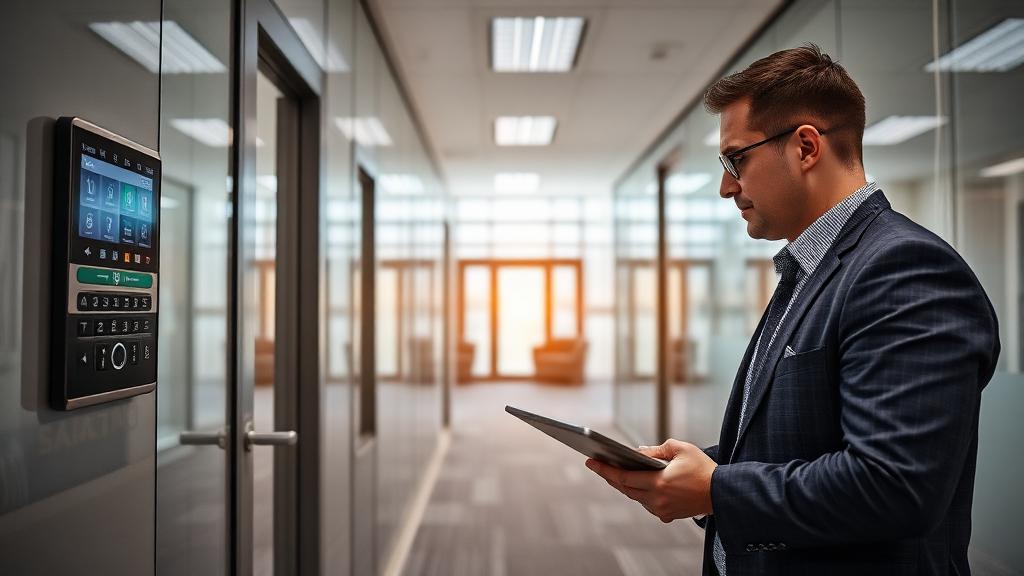
A comprehensive security assessment in Hamilton provides property owners with detailed vulnerability analysis and actionable recommendations to enhance protection against break-ins, unauthorized access, and security threats. Professional evaluation covers physical barriers, access control systems, surveillance integration, and emergency response protocols.
The Importance of Professional Security Assessment
Risk Identification: Trained security professionals identify vulnerabilities that property owners typically overlook, including sight line issues, lighting inadequacies, door frame weaknesses, and access control gaps that create security risks.
Compliance Verification: Commercial properties must meet specific security standards for insurance coverage and regulatory compliance. Professional assessment ensures adherence to local building codes and industry security requirements.
Insurance Benefits: Many insurance providers offer premium discounts for properties with documented security assessments and recommended improvements, providing both enhanced protection and financial benefits.
Residential Security Assessment Components
Entry Point Evaluation: Comprehensive analysis of doors, windows, garage access, and potential entry points including frame integrity, lock quality, glass vulnerability, and concealment factors that affect security effectiveness.
Perimeter Security Analysis: Evaluation of fencing, lighting, landscaping, and visibility factors that influence property security including natural barriers, surveillance sight lines, and deterrent effectiveness.
Internal Security Review: Assessment of valuable storage, safe placement, alarm system coverage, and emergency exit accessibility to optimize protection and response capabilities during security incidents.
Technology Integration Assessment: Review of existing security systems, smart home integration opportunities, and upgrade recommendations to enhance monitoring and response capabilities.
Commercial Security Assessment Process
Business Risk Analysis: Evaluation of specific threats based on business type, location, operating hours, and valuable assets including cash handling, inventory protection, and employee safety considerations.
Access Control Evaluation: Assessment of employee access systems, visitor management, after-hours security, and area restriction protocols to prevent unauthorized access and maintain operational security.
Surveillance System Review: Analysis of camera placement, coverage gaps, recording capabilities, and monitoring protocols to ensure comprehensive security coverage and evidence collection capabilities.
Emergency Preparedness Assessment: Review of evacuation procedures, emergency communication systems, lockdown capabilities, and coordination with local emergency services for comprehensive crisis response.
Hamilton-Specific Security Considerations
Climate Impact on Security: Hamilton's weather patterns affect outdoor equipment durability, visibility conditions, and seasonal vulnerability changes requiring specialized equipment selection and maintenance protocols.
Local Crime Pattern Analysis: Understanding neighborhood-specific threats, typical break-in methods, and seasonal crime variations enables targeted security improvements and preventive measures.
Municipal Emergency Services Integration: Coordination with Hamilton police, fire, and emergency medical services ensures optimal response times and communication protocols during security incidents.
Recent analysis shared on [Medium's security professional publication](https://medium.com/professional-security) indicates that Hamilton properties with comprehensive security assessments experience 70% fewer security incidents compared to properties without professional evaluation, highlighting the effectiveness of systematic vulnerability identification.
Assessment Methodology and Tools
Physical Security Inspection: Systematic evaluation using professional checklists, measurement tools, and vulnerability assessment protocols developed through industry best practices and local experience.
Technology System Analysis: Testing of existing security equipment, network connectivity, and integration capabilities using specialized diagnostic equipment and performance measurement tools.
Risk Matrix Development: Quantified assessment of vulnerability severity, likelihood of exploitation, and potential impact to prioritize improvement recommendations and budget allocation.
Documentation and Reporting: Comprehensive written reports with photographic evidence, specific recommendations, and implementation timelines for actionable security improvements.
Common Residential Vulnerabilities Discovered
Door Security Weaknesses: Inadequate deadbolts, weak door frames, insufficient strike plate reinforcement, and poor lighting creating opportunities for forced entry.
Window Vulnerabilities: Ground-level accessibility, inadequate locks, lack of security film, and poor visibility enabling unauthorized access through secondary entry points.
Garage Security Issues: Weak overhead door locks, poor lighting, electronic opener vulnerabilities, and inadequate separation from main house access.
Landscaping Security Problems: Overgrown vegetation providing concealment, poor lighting placement, and inadequate perimeter visibility creating security blind spots.
Commercial Security Assessment Findings
Access Control Gaps: Inadequate employee credentialing, poor visitor management, insufficiently restricted areas, and lack of access audit trails creating unauthorized access opportunities.
Surveillance Blind Spots: Poor camera placement, inadequate lighting for night recording, lack of coverage continuity, and insufficient recording storage creating evidence gaps.
Perimeter Vulnerabilities: Inadequate fencing, poor lighting, landscaping concealment issues, and lack of intrusion detection creating unauthorized access opportunities.
Internal Security Weaknesses: Poor cash handling procedures, inadequate safe placement, insufficient alarm coverage, and weak communication protocols affecting incident response.
Technology Recommendations and Integration
Smart Security Systems: Assessment includes recommendations for connected alarm systems, smart locks, video doorbells, and integrated monitoring platforms based on property-specific requirements and user preferences.
Surveillance Technology: Professional cameras, DVR systems, cloud storage solutions, and mobile monitoring capabilities tailored to coverage requirements and budget considerations.
Access Control Systems: Electronic locks, keycard systems, biometric access, and visitor management solutions appropriate for residential and commercial security requirements.
Emergency Communication: Panic buttons, emergency notification systems, and coordination with monitoring services for rapid response during security incidents.
Hamilton residents participating in [Reddit's r/homesecurity discussions](https://www.reddit.com/r/homesecurity/) consistently report that professional security assessments identified vulnerabilities they had never considered, with the most common oversights being lighting placement and door frame reinforcement requirements.
Cost-Benefit Analysis of Security Improvements
Assessment Investment: Professional security assessment costs $200-500 for residential properties and $500-1500 for commercial facilities, providing comprehensive vulnerability identification and improvement roadmaps.
Implementation Prioritization: Recommendations include priority levels and cost estimates enabling property owners to address critical vulnerabilities first while planning long-term security enhancements.
Insurance Impact: Security improvements often qualify for insurance premium reductions ranging from 5-20%, providing ongoing financial benefits beyond enhanced protection.
Property Value Enhancement: Documented security improvements increase property marketability and value, particularly in competitive real estate markets where security features differentiate properties.
Assessment Report Components
Executive Summary: High-level overview of critical vulnerabilities, immediate recommendations, and priority action items for quick decision-making and budget planning.
Detailed Findings: Comprehensive documentation of each vulnerability with photographic evidence, risk assessment, and specific improvement recommendations.
Implementation Timeline: Phased approach to security improvements with priority scheduling, cost estimates, and vendor recommendations for systematic implementation.
Maintenance Recommendations: Ongoing maintenance requirements, testing schedules, and update protocols to maintain security effectiveness over time.
Seasonal Security Considerations
Winter Vulnerabilities: Reduced daylight hours, snow concealment issues, heating system security, and emergency access during severe weather conditions.
Summer Security Factors: Increased window opening, vacation period vulnerabilities, landscaping growth affecting visibility, and seasonal crime pattern changes.
Year-Round Maintenance: Seasonal equipment testing, lighting adjustment for daylight changes, and weather impact assessment for continued effectiveness.
Follow-Up Services and Ongoing Support
Implementation Support: Vendor coordination, installation oversight, and system testing to ensure recommended improvements meet assessment specifications and performance expectations.
Annual Re-Assessment: Periodic evaluation of security effectiveness, technology updates, and changing threat environments to maintain optimal protection levels.
Emergency Response: 24/7 support for security incidents, system failures, and emergency situations with rapid response throughout Hamilton.
Training Services: User training for new security systems, emergency procedures, and ongoing education to maximize security system effectiveness.
Professional discussions on [Quora regarding Hamilton security services](https://www.quora.com/What-should-I-look-for-in-a-home-security-assessment) emphasize the importance of local expertise, with residents noting that assessors familiar with Hamilton's specific challenges provide more valuable recommendations than generic security evaluations.
Integration with Emergency Services
Police Coordination: Direct connection capabilities with Hamilton Police Service for verified alarm response and emergency communication protocols.
Fire Department Integration: Smoke detection integration, evacuation route assessment, and emergency access planning for comprehensive safety coverage.
Medical Emergency Response: Panic button systems, medical alert integration, and emergency contact protocols for health-related security incidents.
Regulatory Compliance and Standards
Building Code Requirements: Verification of compliance with Ontario Building Code security requirements and municipal regulations affecting property security standards.
Insurance Standards: Alignment with insurance provider requirements for coverage eligibility and premium optimization through documented security measures.
Industry Standards: Adherence to security industry best practices and professional standards ensuring effective protection and liability management.
For comprehensive security assessment services in Hamilton, contact Big Aura at +1 (289) 442-3706. Our certified security professionals provide detailed vulnerability analysis and actionable recommendations to enhance your property protection.
Related Services in Hamilton
Explore Big Aura's professional security services services available across Hamilton & surrounding communities.
Looking for professional security services services in Hamilton? Big Aura provides expert garage door repair, residential locksmith, access control installation, and smart lock services across Hamilton & surrounding communities. Our certified technicians offer 24/7 emergency lockout assistance, commercial garage door solutions, security camera installation, and home automation integration. Contact us for a free quote or call (289) 442-3706 today.
Tags:
Need Professional Service?
Our certified technicians are ready to help with all your security services needs. Emergency service available.